Waymo Robotaxi Service Resumes in San Francisco After Temporary Adjustments Amidst Power Outage

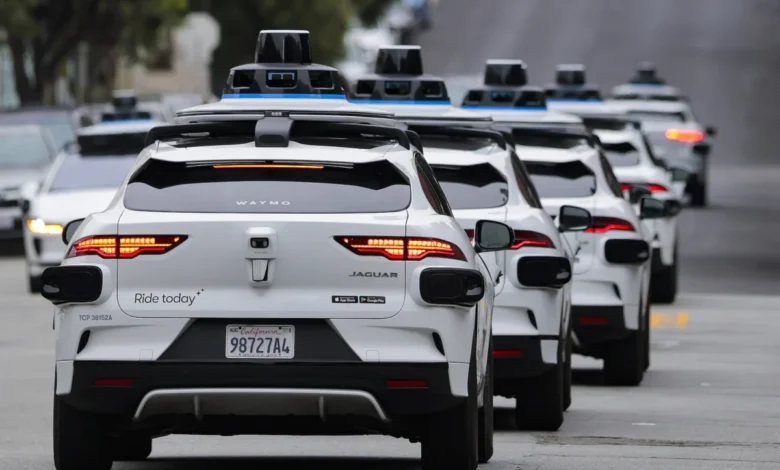
Waymo, the autonomous vehicle subsidiary of Alphabet, announced today, July 18, 2026, that its robotaxi service has resumed operations in San Francisco. The temporary pause in service was implemented as a precautionary measure in response to a significant power outage that affected approximately 7,000 Pacific Gas and Electric (PG&E) customers across the city. While the exact cause of the outage is still under investigation, its impact necessitated "temporary adjustments" to Waymo’s operations to ensure the safety and reliability of its autonomous fleet.
The service interruption, which lasted for approximately one hour, was initiated to allow Waymo to thoroughly assess the scale of the power disruption and to coordinate with local officials. This proactive approach reflects the company’s commitment to maintaining operational integrity and public safety, particularly in dynamic urban environments. The temporary suspension, communicated to customers via social media and direct notifications, specified that freeway routes were unavailable during the period of adjustment.
Chronology of the Service Interruption
The power outage began to affect various parts of San Francisco in the early afternoon of July 18, 2026. PG&E reported the disruption impacting a substantial number of its customers, leading to widespread concern and disruption. Within minutes of the outage’s impact becoming apparent, Waymo initiated its contingency protocols.
- Early Afternoon, July 18, 2026: Reports of a significant power outage begin to surface across San Francisco, affecting approximately 7,000 PG&E customers.
- Approximately 12:00 PM PDT: Waymo begins to observe the impact of the power outage on its operational network and initiates an assessment of local conditions.
- Approximately 12:30 PM PDT: Waymo formally announces a temporary pause in its robotaxi service in San Francisco, citing "temporary adjustments" and the unavailability of freeway routes. Customers are informed of the situation.
- During the Pause: Waymo’s operations team works to monitor the evolving situation, liaise with city officials, and assess the infrastructure stability.
- Approximately 1:30 PM PDT: After a period of assessment and confirmation of stable conditions and coordination with authorities, Waymo announces the resumption of its robotaxi service. The company confirms that operations have returned to normal.
Background and Precedent: Autonomous Vehicles and Power Disruptions
This incident is not the first time that external infrastructure failures, particularly power outages, have impacted Waymo’s operations in San Francisco. The city’s complex urban landscape and the inherent reliance of technology on stable power grids present ongoing challenges for autonomous vehicle deployment.
In December 2025, Waymo suspended its service following a widespread blackout that caused several of its vehicles to stall on city streets. This event highlighted the vulnerabilities of autonomous systems when faced with unexpected grid failures, leading to traffic disruptions and public scrutiny. Another notable instance occurred during a Fourth of July fireworks display, when a similar power-related incident led to a paralysis of traffic, underscoring the need for robust contingency planning.
These past events have contributed to a growing dialogue surrounding the regulation of autonomous vehicles, especially during major incidents. San Francisco Mayor Daniel Lurie has been a vocal proponent for stricter state regulations. Following the December 2025 incident, Mayor Lurie called for enhanced oversight to "adequately address how autonomous vehicles operate during major incidents, planned or not." This sentiment reflects a broader concern among city officials about the potential for autonomous vehicles to exacerbate disruptions during emergencies if not properly managed.

Waymo’s Response and Operational Adjustments
In response to the July 18th power outage, Waymo’s communication to customers was swift. A notification posted on social media, later confirmed by the company, stated: "We are making temporary adjustments to our service while we monitor local conditions. We know riders depend on us, and we will return to normal operations as soon as possible."
A spokesperson for Waymo elaborated on the company’s decision-making process, stating, "We decided to pause service for approximately one hour to assess the scale of the power outage affecting a large portion of San Francisco and coordinate with local officials." This statement emphasizes a methodical approach, prioritizing safety and collaboration. The return to normal operations was confirmed after the assessment period, indicating that the identified risks were mitigated and that the local infrastructure had stabilized sufficiently for autonomous operations to resume.
The "temporary adjustments" likely involved several layers of operational control. This could include:
- Fleet Grounding: A complete halt of all active rides to prevent vehicles from being stranded in areas experiencing power loss or related traffic disruptions.
- Route Re-routing and Avoidance: Dynamically altering planned routes to steer clear of neighborhoods experiencing outages or their immediate consequences.
- Reduced Service Areas: Temporarily limiting operations to specific zones within the city where power stability was confirmed.
- Increased Human Oversight: Potentially deploying additional remote operators to monitor the fleet closely and intervene if necessary.
- Communication Protocols: Enhanced communication channels with city emergency services and transportation authorities to stay informed of the evolving situation.
Supporting Data and Industry Context
The incident occurs at a time when autonomous vehicle services are becoming increasingly integrated into urban transportation networks. San Francisco, a pioneering city for robotaxi operations, currently hosts several major players, including Waymo and Cruise (though Cruise has faced significant regulatory hurdles and operational pauses in the past).
- Market Penetration: While specific real-time data for July 2026 is not publicly available, Waymo has been steadily expanding its operational footprint. By late 2025, Waymo reported completing hundreds of thousands of rides across multiple cities, including San Francisco, Phoenix, and Los Angeles, with a growing focus on paid public rides.
- Regulatory Landscape: The performance of autonomous vehicles during unforeseen events is a critical factor in the ongoing debate around regulatory frameworks. Cities and states are grappling with how to balance the potential benefits of AV technology with the need for robust safety standards and public accountability. San Francisco’s Municipal Transportation Agency (SFMTA) has been actively involved in permitting and regulating AV operations.
- Technological Resilience: The reliance of autonomous systems on constant connectivity and power highlights the importance of developing resilient technologies. This includes advanced fail-safe mechanisms, redundant power sources for critical onboard systems, and sophisticated algorithms that can navigate unpredictable scenarios. The ability to adapt to localized infrastructure failures is a key area of development for all AV companies.
Broader Impact and Implications
The temporary service disruption by Waymo serves as a microcosm of the challenges and opportunities presented by autonomous vehicle technology in complex urban environments.
- Public Trust and Perception: The swift response and clear communication from Waymo likely helped mitigate potential negative public perception. However, repeated incidents of service disruption due to external factors can erode public confidence and fuel skepticism about the readiness of AVs for widespread adoption.
- Regulatory Scrutiny: Each such event invariably invites further scrutiny from regulators. The San Francisco Mayor’s call for stricter regulations underscores the trend towards increased oversight, especially concerning how AVs perform during emergencies. This could lead to more stringent testing requirements, mandatory operational protocols during disruptions, and clearer lines of accountability.
- Infrastructure Interdependencies: The incident highlights the deep interdependencies between technological innovation and existing urban infrastructure. As autonomous vehicles become more prevalent, their integration will necessitate a more resilient and responsive power grid, as well as improved communication networks between vehicles and city management systems.
- Future Development: For companies like Waymo, these events provide valuable data for refining their operational strategies and technological capabilities. Future development will likely focus on enhancing the ability of AVs to predict and navigate power outages, as well as to communicate more effectively with traffic management systems and emergency services during such events. The ability to operate autonomously, or to safely pull over, even during a power grid failure, will be a critical benchmark for maturity.
Waymo’s resumption of service signifies a successful navigation of a temporary challenge. However, the event serves as a reminder of the ongoing need for robust planning, technological innovation, and collaborative efforts between AV companies, city officials, and utility providers to ensure the safe and reliable integration of autonomous vehicles into the fabric of our cities. The company’s statement, "We know riders depend on us, and we will return to normal operations as soon as possible," underscores a commitment that extends beyond just technical execution, encompassing the broader societal expectation of dependable mobility services.